Last night, I lay awake at 2 a.m., scrolling through my phone, pretending that another five minutes online would magically calm me down. Sound familiar? Our days are loud—meetings, messages, decisions, scrolling, and by the time we finally collapse into bed, our minds are still standing. That’s where a little shift can make magic. I’m talking about crafting an evening routine around better sleep hygiene, those gentle, intentional things you do before bed that signal to your body, you’re safe, you can rest now.
Because the truth is, better sleep isn’t about perfection,it’s about rhythm. So, let’s talk about seven simple nighttime rituals that will help you sleep deeply, stress less, and rediscover that glowing, unhurried version of yourself you miss waking up to.
II. Let’s Set the Scene
Imagine this: soft lamplight instead of blue glow, lavender in the air, your favorite oversized T-shirt, and the feeling that the world outside has switched off. That’s what mindful sleep hygiene feels like, not another wellness trend, but a quiet return to yourself.
Your routine isn’t just about skincare or herbal tea (though both are divine). It’s a kind of devotion, the small, steady promise you make to treat your body like a friend, not a machine. Every ritual, from brushing out your hair to putting your phone away, becomes a whisper that says, “I’m winding down. I deserve rest.”
III. Why You’ll Love It

- You’ll wake up as your best self.
Think of your evening routine as emotional laundry, it rinses off the day’s mental clutter. When your sleep hygiene improves, mornings feel lighter, like your brain pressed a reset button overnight. - Your anxiety will quiet down.
Stress loves chaos. Calming rhythms, journaling, dim lights, slow breathing, help teach your mind that not everything needs an instant answer. It’s mental decluttering before bed. - You’ll start craving bedtime instead of dreading it.
The rituals you build become small pleasures: the feel of cool bedsheets, the sound of a diffuser, the last sip of chamomile tea. Good sleep hygiene transforms bedtime from a chore into self-care. - It sparks better focus during the day.
Quality rest improves creativity, memory, and patience, basically, all the things caffeine tries to fake. - You’ll rebuild emotional resilience.
A steady evening routine reminds your body it can slow down and still be safe, a lesson most of us forgot somewhere between deadlines and endless notifications.
IV. How to Dip Your Toes In
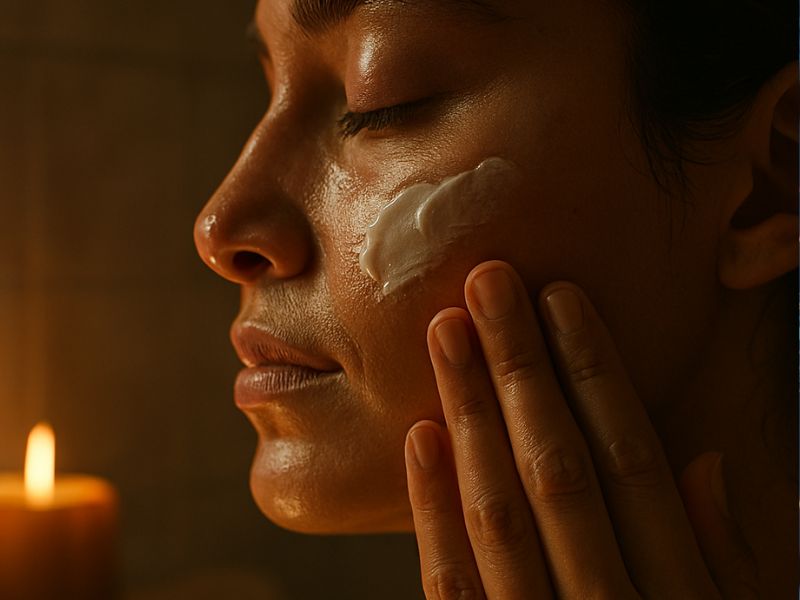
a. Start with one ritual.
Maybe it’s putting your phone away 30 minutes before bed or writing down three thoughts you don’t want to sleep with. Keep it gentle.
b. Anchor it with the senses.
Scents like lavender, vanilla, or sandalwood trigger calm. Soft fabrics, a warm drink, your favorite playlist, all help anchor your sleep hygiene habits in comfort.
c. Build the mood, not the schedule.
Forget rigid checklists. Instead, think of your evening routine as an atmosphere you step into each night.
V. Where It Fits in Real Life
- After a long day of online classes, dimming the lights and doing gentle stretches teaches your brain where the finish line is.
- For busy parents, turning on a calming playlist while washing the dishes can quietly shift the house toward bedtime energy.
- Professionals can end their laptop time by literally closing it, lighting a candle, and journaling one thing they achieved that day.
- Students burning the midnight oil can create a mini-wind-down zone, maybe just five deep breaths between study and sleep.
- For travelers, unpacking and rearranging a small bedtime corner in your hotel room helps ground your sleep hygiene even in new cities.
- If you live in a buzzing city, let sound therapy, rain sounds, white noise, pull your focus away from the outside chaos.
- And for dreamers, make an evening routine about gratitude: whisper one thing you loved about the day before closing your eyes.
VI. Behind-the-Scenes: Real-Life Stories

- Neha, a freelance designer, used to scroll till 1 a.m. Now, she ends every night with sketching one doodle by candlelight. It’s her creative bedtime signal.
- Raj, a startup founder, swapped late-night emails for a warm shower and ten pages of a book. “My productivity meeting is now with my pillow,” he jokes.
- Aaliya, a new mom, found that dimming blue lights 30 minutes before bedtime helped her baby—and her own sleep hygiene—stabilize.
- Tanya, a student, created a “no-study zone” after 10:30 p.m. by keeping her laptop in another room. She says it’s like mentally turning off the syllabus.
- Sameer, a teacher, brewed chamomile tea each evening. The routine became so comforting that his body now signals sleep before the cup is even empty.
- Vikram, a musician, records his late-night thoughts in a notebook instead of voice memos. “That release, that’s my silence,” he says.
- Meera, a social media manager, keeps a “stress jar.” Each night, she writes one worry, drops it in the jar, and promises not to carry it into her dreams.
If this sparked a little wanderlust for better living, don’t stop here, our Lifestyle category is packed with stories, hacks, and heart.
VII. Oops! Common Slip-Ups
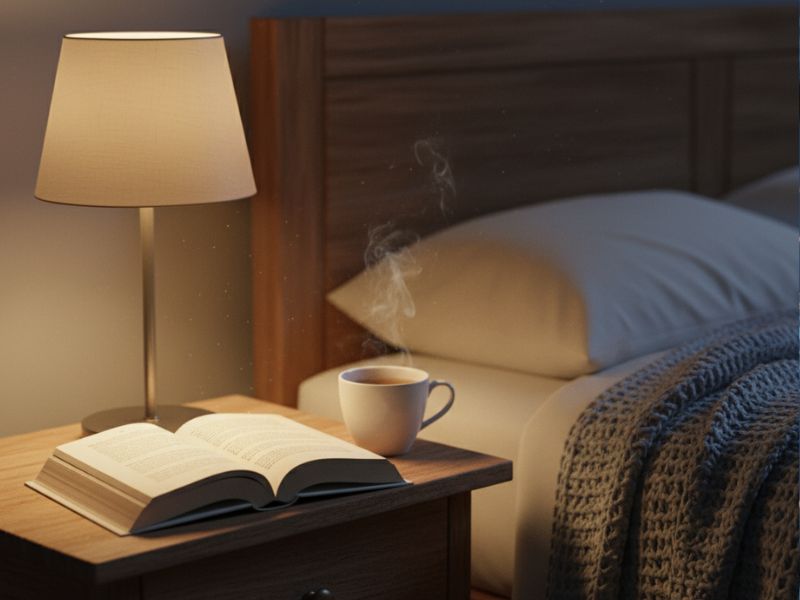
i. Expecting instant results.
Sleep hygiene works over time. Your first few nights might feel awkward, but consistency makes calm contagious.
ii. Overcomplicating the process.
You don’t need moon water, seven-step journaling, and five oils. Simplify. One habit done regularly beats a dozen done once.
iii. Forgetting heart before habit.
Your evening routine isn’t punishment; it’s a prelude to rest. Don’t turn it into another chore on your to-do list.
iv. Bringing your phone to bed.
Yes, it’s a comfort scroll. But the blue light and endless content hijack your sleep hormones and anxiety levels. Try parking it outside the bedroom.
v. Comparing your routine to someone else’s.
The internet loves aesthetics—but peace doesn’t always look like fairy lights and silk pajamas. It might look like old cotton PJs and a cup of milk.
vi. Keeping your mind racing.
If you mentally replay arguments or tasks, write them down, literally extract them from your brain. That’s sleep hygiene in action.
VIII. Curious? Let’s Answer That
- What if I’m not a “night person”?
You don’t have to be. Your evening routine can last 10 minutes, just something that says “pause.” The ritual matters more than the duration. - Can technology help my sleep hygiene?
Absolutely. Blue-light filters, sleep tracking apps, and calming sound playlists can support your rhythm, as long as you stay intentional about screen time. - What if I live with family or roommates?
Make your rituals subtle: a cup of tea, soft light, headphones. Sleep hygiene doesn’t need privacy, it needs consistency. - How long before I see results?
Most people notice calmer sleep and lighter mornings in one to two weeks. Think of it as training your nervous system to trust stillness again. - Does it really lower stress?
Yes. Structured rest lowers cortisol, balances mood, and makes your emotional reactions softer the next day. Stress melts fastest when your body feels rested.
IX. Before You Go: A Little Pep Talk
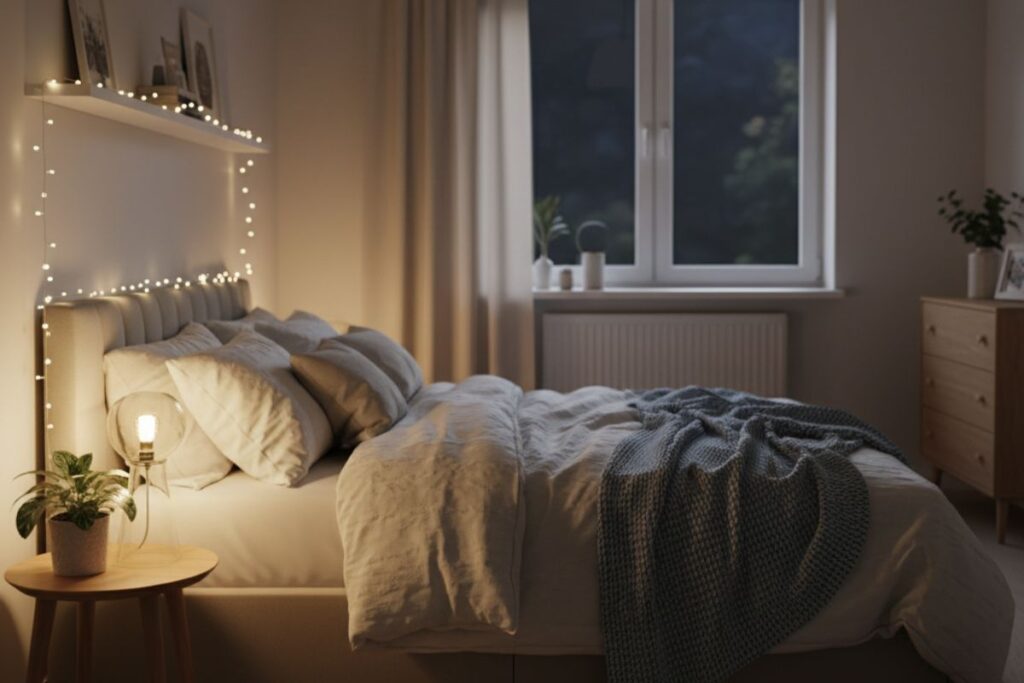
Let’s be honest—getting restful sleep in this always-on world isn’t easy. But it’s worth rebuilding your peace one small ritual at a time.
- Begin tonight, not someday. Choose one small ritual, stretching, journaling, or lighting a candle, and just do it.
- Protect your time. Guard your evening routine like a sacred appointment.
- Don’t chase perfection. Even if you skip a step, returning to your ritual tomorrow counts.
- Remind yourself that better sleep heals your mind the quiet way, night by night.
- Celebrate mornings that feel like sunlight instead of survival. You earned them.
A good night’s sleep isn’t luxury—it’s foundation. When you commit to your evening routine, you’re not just managing stress, you’re sculpting a calmer, kinder version of yourself who wakes up genuinely ready to live. Because peace doesn’t start in the morning. It starts the night before