What Is Factmata?
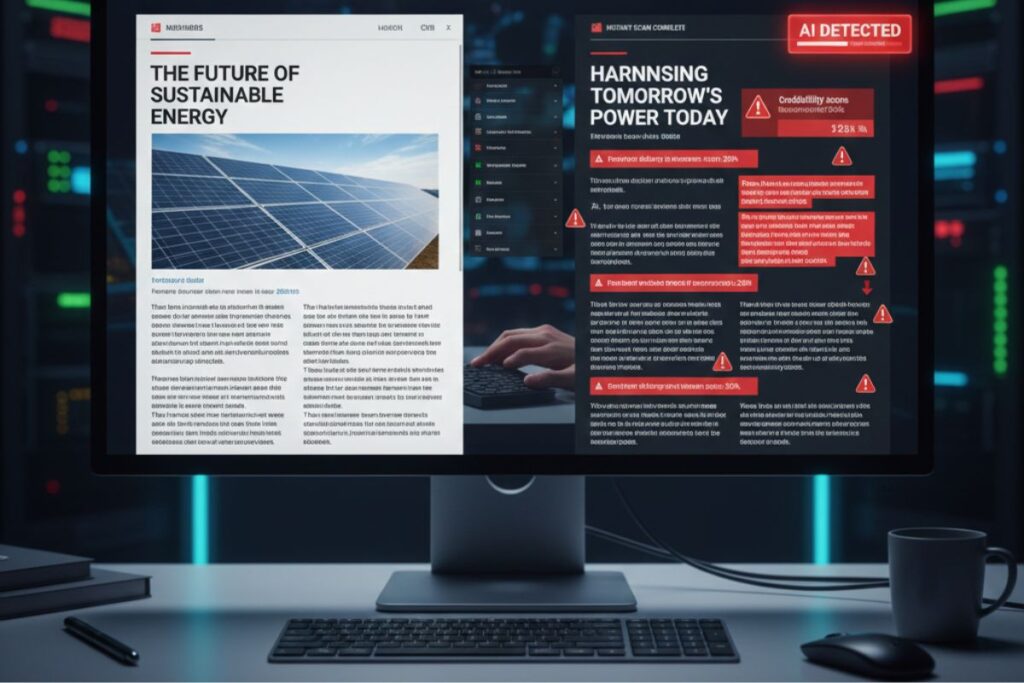
Factmata is an artificial intelligence platform designed to understand online content and rate how trustworthy, biased, or harmful it might be. It analyses articles, tweets, and other posts, and then gives a “trust” or “risk” score so humans can quickly judge which content deserves attention and which deserves a raised eyebrow.
Unlike a traditional fact-checking team that reads everything by hand, this fact-checking AI uses natural language processing and machine learning models trained on expert-annotated data from journalists and researchers. The goal is not only to detect outright lies, but also to spot toxic language, propaganda, clickbait, and misleading narratives that quietly shape opinions online.
You can explore more about the tool and its latest offerings on its site here: https://www.factmata.net.
Main Features

- Narrative and risk scoring
Factmata analyses content and produces scores that show how risky, biased, or unreliable it might be. Instead of shouting “fake” or “real,” this news credibility AI highlights signals like hate, toxicity, propaganda, or clickbait so users can see where the danger lies and act accordingly. - Narrative monitoring dashboard
The platform groups similar posts and articles into “narratives,” so brands and teams can track how conversations grow and spread over time. This makes it easier to see which harmful stories are getting traction, which influencers are pushing them - Harmful content detection
Factmata is trained to spot hate speech, harassment, misinformation, and other harmful content across social and news media. - Trust and credibility scoring
Instead of a simple thumbs up or down, this fact-checking AI gives nuanced trust scores based on multiple signals like bias, toxicity, and sensational language.
How Does It Help?
a) Saves hours of manual fact-checking
Factmata quickly surfaces which articles or posts need a closer human look, instead of making you wade through a thousand open tabs.
b) Reduces the risk of sharing fake or harmful content
By scoring content for risk and credibility, this news credibility AI acts like a big red warning light before you hit “share”
c) Helps brands spot PR storms early
Because Factmata monitors narratives over time, brands get a head start on crises by seeing harmful conversations while they are still small.
d) Supports smarter moderation and safer communities
Content platforms, publishers, and communities can use this fact-checking AI to quickly flag risky posts for manual review.
e) Builds trust with audiences
When audiences know you are using a dedicated news credibility AI to keep things clean, they are more likely to believe what they read on your site or feed.
Real-life style examples for this section:
i) A small news website uses Factmata to screen user-submitted opinion pieces, catching several highly biased articles before they go live and replacing them with more balanced takes instead of accidental rage-bait.
ii) A health blogger runs suspicious “miracle cure” stories through the tool and sees high risk scores, so they choose not to share them and write a myth-busting article instead, keeping readers safer and their own brand more credible.
iii) A global brand watches Factmata’s narrative dashboard and spots a growing rumour about one of its products; the team responds early with clear information, and the story fizzles out instead of exploding into a hashtag disaster.
iv) A community forum admin uses Factmata to auto-flag toxic posts, so volunteers spend less time cleaning up flame wars and more time encouraging helpful discussions (and occasionally memes that are actually funny).
v) A university media lab uses the platform in a student project, teaching future journalists how fact-checking AI and human judgment can work together for better reporting.
Getting Started in 3 Steps
- Visit the Factmata website
Head over to the official site at https://www.factmata.net to explore the product pages, case studies, and available tools. This gives a clear picture of whether you need narrative monitoring, content scoring, or both, and what plans or access options fit your use case. - Sign up or request access
Depending on your role, you can request access as a brand, agency, publisher, or other organization that needs fact-checking or reputation tools. - Connect your content sources and start monitoring
Once you have access, plug in your key sources like social media, news feeds, or brand mentions into the dashboard.
Use Cases

i) Newsrooms verifying reader trust
Digital newsrooms can use Factmata to triage which stories or tips need fact-checking first, instead of treating every link equally. Reporters get a quick sense of which claims are surrounded by toxic or misleading narratives, so they can dig deeper where it matters most.
ii) Brands protecting reputation
Marketing and PR teams can monitor how their brand is being talked about and spot harmful narratives or rumours early. This helps them respond with calm, clear messaging before a story blows up and becomes a “why is our CEO trending?” moment.
iv) Agencies tracking misinformation for clients
Media and communications agencies can use the news credibility AI to track misinformation campaigns, conspiracy narratives, or smear attempts targeting their clients. They can then provide clients with data-backed reports instead of just vague “we saw some bad tweets about you” messages.
v) Researchers studying online narratives
Academic and industry researchers who study misinformation, polarization, or online toxicity can use Factmata’s narrative monitoring to understand how stories spread.
vi) Advertisers avoiding bad placements
Advertisers can use credibility and risk scores to avoid placing ads next to extremist, hateful, or misleading content.
vii) Non-profits fighting harmful content
Non-profits focused on health, elections, or social issues can track harmful narratives and target their educational campaigns where misinformation is growing fastest.
Stay ahead with our Tool of the Day—one brilliant AI or tech gem spotlighted daily to elevate your workflow. For deeper breakthroughs, our Weekly Tech & AI Update delivers trends, tips, and future-ready insights. One scroll could change your game. Go explore.
Real-Life Style Examples (With a Smile)
- The “Uncle WhatsApp” shield
A media literacy group uses Factmata to analyse viral messages that keep showing up in family chats during election season. They turn the worst offenders into fun fact-check threads, - The brand that dodged a boycott
A food brand notices a false rumour online claiming its products contain something ridiculous (no, not unicorn dust). Factmata flags the narrative early, the brand replies with simple facts and humour, and the hashtag #cancelThisSnack never really takes off. - The News Team That Kept Cool
A small newsroom ranks tips by risk with news credibility AI. A wild story trends with toxic language. They investigate and publish a calm explainer, not a rushed headline - The Community That Stayed Chill
A gaming forum uses Factmata to catch toxic rants fast. Members see fewer pile-ons, more helpful threads. Moderators play games instead of moderating nonstop. - The NGO That Aimed Smarter
A health NGO tracks vaccine misinformation spread. They target platforms with tailored explanations. Confusion turns to clarity. - The Researcher Who Loved Charts
A researcher maps story spread from fringe blogs to big platforms. Slides show pretty charts, not vague claims. Conferences get less sleepy.
Common Mistakes (And How To Avoid Them)
a) Treating AI scores as absolute truth
Some users see a score from this fact-checking AI and assume it is the final word on reality. In reality, the tool is a powerful assistant, not an all-knowing referee, so humans still need to read, think, and decide, especially on sensitive topics
b) Ignoring context and nuance
If you only look at numbers and labels, you may miss context, such as a satirical article or a critical analysis that quotes bad content to debunk it.
c) Not configuring sources properly
Some people connect only one or two obvious feeds and forget to add other platforms or languages where harmful content lives.
d) Over-Automating Moderation
High-risk scores tempt auto-blocks. Skipping human review causes unfair takedowns and angry users. Fact-checking AI needs oversight to avoid “robots silenced me” rants
e) Using Without Clear Goals
Teams sign up for cool fact-checking AI but skip defining success. No goals mean pretty dashboards, not real wins like fewer harms. Set targets for trust scores and fast responses.
f) Forgetting to explain AI use to audiences
Using fact-checking AI silently is useful, but telling your readers or community that you use a news credibility AI can boost trust and transparency. Hiding it completely can make people suspicious if they notice patterns in what gets flagged or removed
g) Expecting miracles on day one
Like any tool, Factmata works best when it is tuned to your needs and given time to fit your workflows.
Friendly Tips for Beginners
- Start small: Pick one use case, like monitoring brand mentions or screening articles, and get comfortable with how the scores and narratives work before expanding.
- Keep humans in charge: Use this fact-checking AI as a smart assistant, not a replacement for human judgment, especially for sensitive topics and big decisions.
- Communicate clearly: Tell your team (and maybe your audience) that you are using a news credibility AI to boost quality and trust, so they understand how and why decisions are made.
- Review and adjust: Check flagged content regularly, tweak thresholds, and refine which sources you track so the tool matches your real-world needs.
- Have a little fun: Experiment with analysing different types of content, from serious news to viral memes, and see how Factmata reads the internet’s wild side without losing its cool.