Nearpod is an interactive teaching platform that lets teachers run live or self-paced lessons where students join from any device and respond in real time. Think of it as your normal presentation, but supercharged with quizzes, polls, drawing tasks, collaborative boards, and instant feedback built in.
Teachers can either create their own AI classroom tech powered lessons or grab ready-made ones from Nearpod’s huge library of standards-aligned content. Students join with a simple code, tap through the slides, and interact with activities while the teacher sees everything on a live dashboard.
If you want to explore it while reading this Nearpod review, you can hop over to the official site here: https://nearpod.com.
Main Features
a) Interactive Lessons
Nearpod’s AI classroom tech powers interactive slides with quizzes, polls, and VR. Import PowerPoint, add elements, and engage students instantly—this Nearpod review favorite beats dull lectures.
b) AI Create Generator
Type a topic; AI classroom tech builds full lessons with questions and activities. Saves hours, per this Nearpod review. Customize and teach.
c) Content Library
22,000+ AI classroom tech-enhanced lessons for any grade. Grab, tweak, go—Nearpod review time-saver.
d) Real-Time Data
Live dashboard tracks responses via AI classroom tech. Auto-reports simplify grading, notes this Nearpod review.
e) Flexible Modes
Live or self-paced AI classroom tech for hybrid learning. Nearpod review praises adaptability.
How Does It Help?
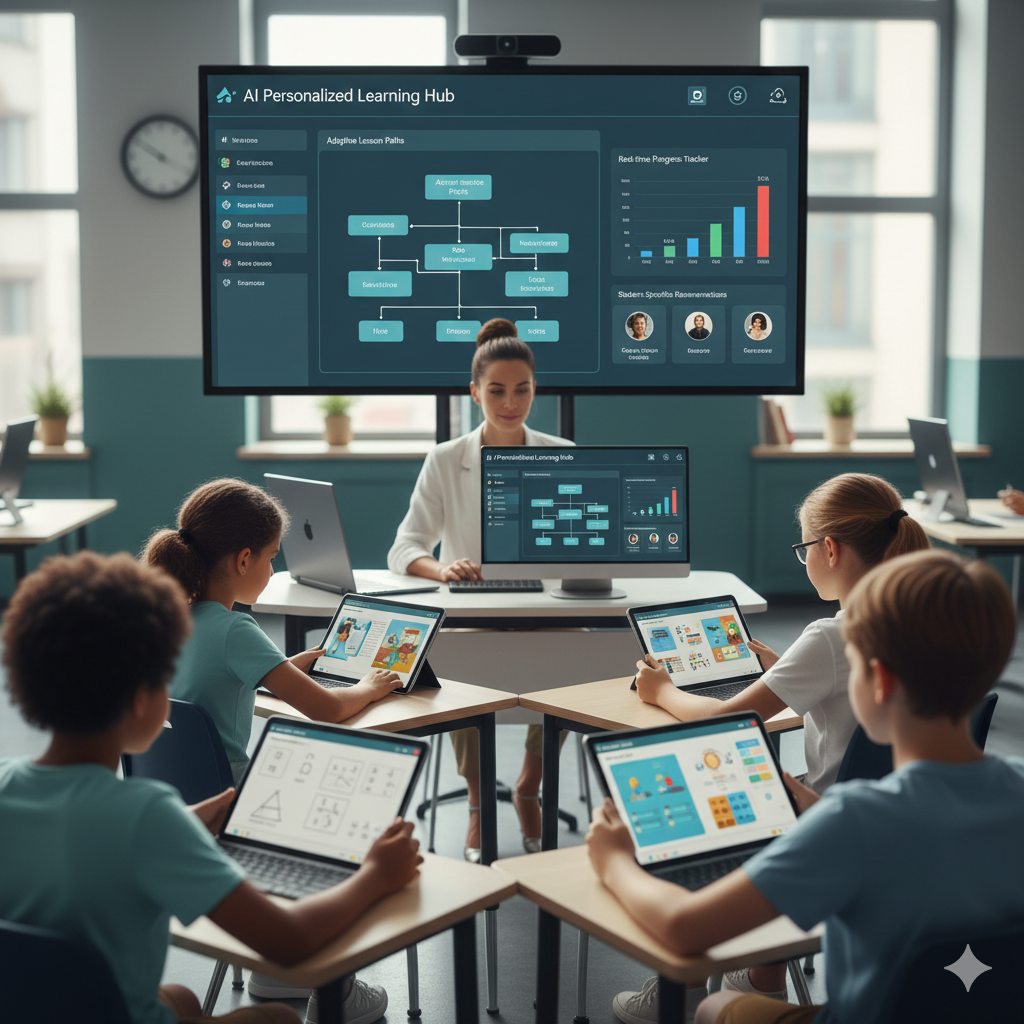
Nearpod solves very real teaching problems that show up in almost every classroom, whether physical or online. This is where AI classroom tech finally feels like a helpful co-teacher instead of one more thing on your to-do list.
i) Boosts Student Engagement
Instead of students zoning out during slide shows, Nearpod turns the lesson into a two-way interaction. Students answer polls, take quick quizzes, and draw or type their ideas, which makes them active participants rather than quiet spectators. Many teachers report that even shy students start responding more because they can answer from their own device.
ii) Saves Precious Planning Time
With AI-generated lessons and a huge ready-made library, teachers no longer have to design every single activity from scratch. You can tweak what is already there, add your flavor, and still go home at a reasonable hour instead of moving into the staff room permanently.
iii) Makes Assessment Less Painful
Nearpod gathers answers and feedback automatically, which means you get real-time insight into who is getting it and who needs help. This turns “Did you all understand?” from a hopeful question into clear data you can act on.
iv) Works for Any Device and Setting
Students can join from laptops, tablets, or phones, in class or at home. This flexibility makes Nearpod a strong fit for blended learning, remote sessions, or classrooms with a mix of devices.
v) Supports Different Learning Styles
Nearpod lessons combine text, video, audio, simulations, VR, and hands-on activities, making it easier to support visual, auditory, and kinesthetic learners in one place. Instead of making three different versions of the same lesson, teachers can mix media inside one interactive flow.
Stay ahead with our Tool of the Day—one brilliant AI or tech gem spotlighted daily to elevate your workflow. For deeper breakthroughs, our Weekly Tech & AI Update delivers trends, tips, and future-ready insights. One scroll could change your game. Go explore.
Interesting Examples of Problems It Solves
- A teacher is tired of asking, “Any questions?” to a sea of silent faces. Nearpod lets them throw in a quick anonymous poll or open-ended question, so students can ask what they are scared to say out loud.
- A science teacher wants to explain complex diagrams but keeps losing attention halfway through. With Nearpod, students can label diagrams directly on their screens, turning passive looking into active doing.
- A school runs a hybrid class where some students are at home. Nearpod keeps everyone on the same slide, same activity, and same pace, so no one can blame the Wi-Fi for “accidentally” skipping an exercise.
- A busy teacher forgets that tomorrow is “introduce a new topic” day. Instead of panicking, they use AI Create, generate a full lesson in minutes, tweak a few points, and walk into class looking brilliantly prepared.
- A college instructor wants quick formative checks in a large lecture hall. Nearpod lets all students respond from seats, turning a 200-person lecture into something closer to a conversation.
- A school wants data on what students are actually learning, not just final exam scores. Nearpod’s reports show trends across lessons, helping teachers adjust instruction long before the big test.
Getting Started in 3 Steps
- Go to https://nearpod.com and sign up as a teacher with your email or existing account.
- Create a new lesson or import a PowerPoint or Google Slides file, then add questions, polls, videos, or AI-generated activities.
- Share the join code with your students, start the live session or assign it as self-paced, and watch answers roll in on your dashboard.
Use Cases
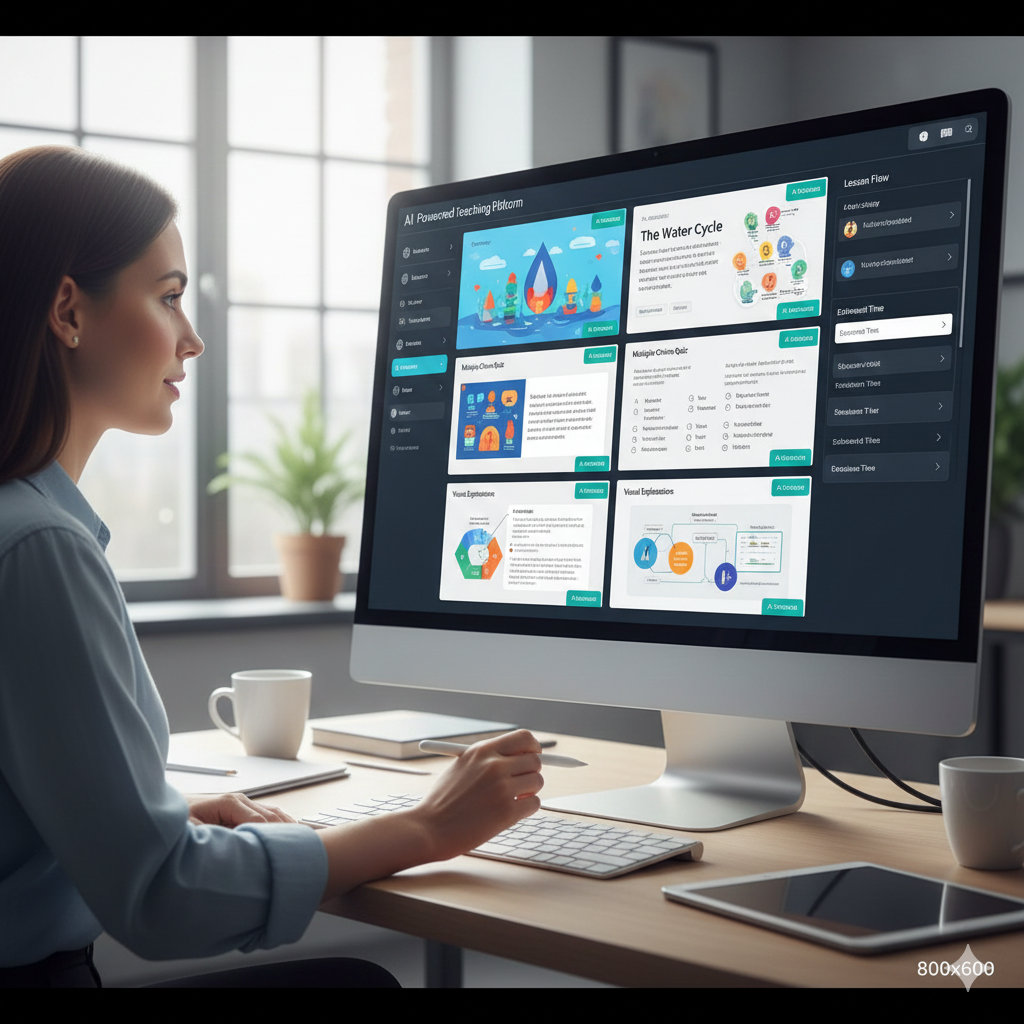
a) Live Interactive Lectures
Teachers can run live lessons where they control the slide pace while students respond on their own devices. This works well in classrooms, lecture halls, or remote sessions, turning lectures into interactive experiences instead of long monologues.
b) Flipped Classroom and Homework
Instructors can assign Nearpod lessons as self-paced homework, so students learn the basics at home and use class time for discussion and problem-solving. This makes better use of face-to-face time and gives teachers insight into who did the work before they walk in.
c) Formative Assessment Checks
Nearpod is great for quick check-ins during a unit: short quizzes, polls, or open-ended questions. Teachers can catch misunderstandings on Tuesday instead of discovering them in Friday’s test.
d) Group Work and Collaboration
With collaborative boards and shared activities, students can brainstorm together, compare answers, and build ideas in real time. This helps group work feel more organized and less like “one person does everything while the others vibe.”
e) Remote and Hybrid Learning
Schools that run remote or hybrid models can use Nearpod to keep everyone on the same page, regardless of location. Students join with a simple code, and teachers can track participation even when cameras are off and pets are walking across keyboards.
f) Professional Development Sessions
Trainers and school leaders can also use Nearpod for staff training, using the same tools to keep adults engaged. Even teachers appreciate a good quiz and interactive slide when the alternative is a long, static presentation after lunch.
g) Revision and Test Prep
Nearpod lessons can be used for quick review sessions before exams, mixing practice questions with instant feedback. This makes revision more like a game and less like a stress marathon.
Real-Life Examples to Bring These Use Cases Alive
- A middle-school teacher runs a “Time to Climb” quiz game at the end of each lesson, and students cheer louder for correct answers than they do for the lunch bell. The teacher secretly uses this to revise everything they taught without calling it “revision,” because that word scares half the class.
- A history teacher takes students on a virtual reality field trip to ancient Rome using Nearpod, and one student asks if they can “stay here instead of going back to math.” The teacher silently agrees but presses on with the syllabus.
- A college lecturer uses Nearpod polls during a big lecture, and suddenly the back row stops scrolling social media because their phones just became part of the lesson. The lecturer gets honest, anonymous feedback and finally knows which topics are confusing instead of guessing.
- In a remote class, a teacher launches a collaborative board asking, “What is one thing you are confused about?” and receives more questions in two minutes than in the previous month. Students love that they can ask questions without raising hands on camera, especially in pajamas.
- A school runs a staff training session on digital safety using Nearpod, and the teachers suddenly experience what their students feel: quizzes, polls, and that mini panic when the timer counts down. They leave with new ideas and a fresh respect for how engaging AI classroom tech can be.
- A primary teacher uses drawing activities to have students illustrate vocabulary words, leading to one unforgettable picture of “photosynthesis” that looks suspiciously like a green superhero. The class never forgets that term again, mostly because of the cape.
- A math teacher does a quick Nearpod exit quiz and discovers half the class misunderstood a step. Instead of finding out in next week’s test, they reteach it the next day, saving everyone from future tears and re-tests.
Common Mistakes to Avoid
1) Trying to Use Every Feature on Day One
Some teachers open Nearpod, see all the options, and try to pack every feature into a single lesson. This can overwhelm both the teacher and students and turn a smooth class into a button-clicking circus. A better approach is to start simple with a few quizzes or polls, then add more features over time.
2) Overloading Slides with Content
Nearpod makes it easy to add videos, images, and text, but putting everything on one slide can confuse students. If every screen looks like a crowded bulletin board, learners may miss the main point. Short, focused slides usually work better, especially for younger students or mobile users.
3) Ignoring the Data
Some users love the interactive side but never look at the reports and analytics. That means they miss out on powerful insights about which questions were hard or which students are struggling quietly. Checking the reports regularly can help guide future lessons and interventions.
4) Forgetting to Test the Lesson Before Class
Running a brand-new lesson live without testing can lead to broken links, timing issues, or activities that are too long. This can break the flow of an otherwise great class. Doing a quick run-through from a student view helps catch these issues early.
5) Not Giving Clear Instructions to Students
Sometimes teachers assume students know what to do with a new interactive activity, but many learners freeze without clear directions. A simple explanation like “You have two minutes, draw your idea, then press submit” makes everything smoother. This is especially true for younger students or first-time Nearpod users.
Simple Examples of These Mistakes
- A teacher adds three videos, two polls, and a drawing task on one slide and wonders why students are confused and behind.
- Another teacher never checks the Nearpod reports and keeps teaching at the same speed, even though half the class is stuck.
- A new user starts a live lesson, only to find that a key link is blocked on the school network because they never tested it beforehand.
- A class spends five minutes staring at a blank drawing screen because no one explained what they were supposed to draw or how long they had.
- A teacher tries “every feature in one go” on their first Nearpod day and ends the class more tired than after an exam week.
Friendly Wrap-Up: Tips for Beginners
Nearpod is one of those AI classroom tech tools that quietly takes over a lot of the heavy lifting in planning, engagement, and assessment. Used well, it can turn your lessons into interactive journeys that students actually remember and maybe even enjoy.
Beginner tips and encouragement: