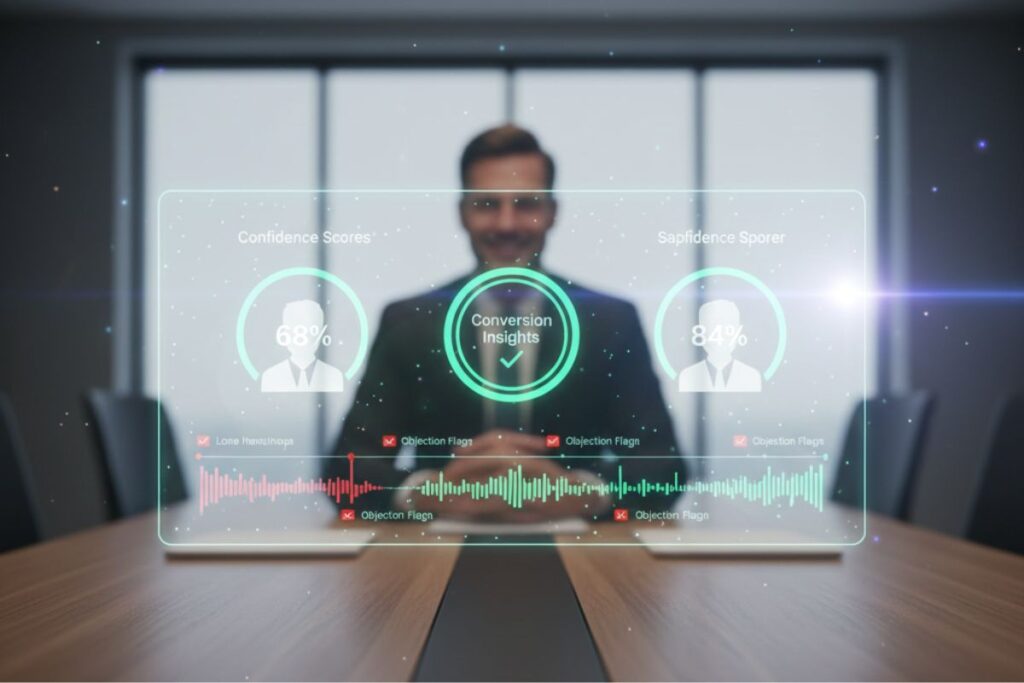
Claap is an AI powered conversation intelligence tool that captures your calls and meetings, then pulls out key insights like objections, buying signals, and next steps. It helps sales teams understand what top performers do differently so the whole team can copy the winning playbook instead of guessing in every call.
You can explore Claap here: https://www.claap.io/.
Main Features
i. Smart call recording and transcription
Claap automatically records your sales calls and creates clear transcripts, so no one has to panic when they forget to take notes. Every “Wait, what did the customer say about budget?” moment can be solved by scrolling the transcript instead of calling them again and pretending it is “just a quick check in”.
ii. Conversation intelligence insights
This AI sales assistant scans every call and highlights patterns like which questions work best, when customers start showing interest, and which phrases scare them away. Over time, it reveals winning habits, such as ideal talk time balance and the best moment to discuss pricing, so teams can steadily lift close rates.
iii. Deal and pipeline visibility
Claap connects call insights to deals, so managers see which opportunities are healthy, which are at risk, and which are just “vibes” with no real next steps. This AI sales performance tool makes it easier to forecast revenue because decisions are based on what was actually said in calls, not on optimistic feelings after “a great chat”.
iv. Coaching and feedback at scale
Instead of listening to full hours of calls, managers can jump to key moments automatically flagged by Claap, like objections or competitor mentions. Reps get targeted feedback and can compare their calls to top performers, which feels less like being scolded in a meeting and more like watching highlight reels of how to win.
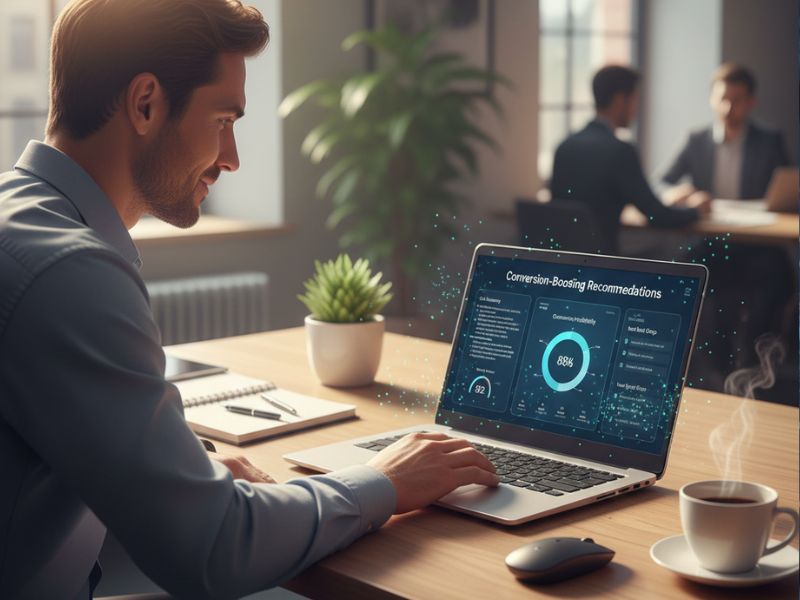
How Does It Help?
i. Stops important details from getting lost
Human memory after back‑to‑back sales calls is about as reliable as public Wi‑Fi in a lift. Claap keeps every promise, objection, and buying signal stored, searchable, and reviewable. This reduces “Oops, I forgot to follow up on that feature question” moments, which often silently kill deals.
ii. Turns top performers into a blueprint
Instead of only one or two “rockstar” reps hitting quota, this AI sales assistant helps everyone copy their style. By showing what the best reps say, when they pause, and how they handle pushback, it turns raw talent into repeatable tactics for the whole team.
iii. Makes coaching faster and less painful
Managers do not need to sit through entire recordings and hope they land on useful bits. The AI sales performance tool jumps straight to risky moments, such as pricing talk or competitor comparisons, so feedback is quick, specific, and backed by real calls.
iv. Improves deal quality and forecasting
With call insights tied to deals, teams see which opportunities are real and which are just “nice conversations” that will never close. This helps leaders plan targets, allocate time better, and avoid the famous last words: “We were sure that one would close this month.”
v. Saves time on admin and note taking
Automatic transcription, summaries, and CRM friendly call notes mean reps can stop typing frantically and actually listen to customers. This leads to better conversations and fewer evenings lost to updating notes just to keep the manager happy.
Fun, detailed examples
i. A new SDR joins and keeps forgetting what prospects said about timelines. After a week with Claap, they review their own calls, notice they rush through discovery, and fix it. Next week, they book twice as many qualified demos, and suddenly no one is calling them “the new kid” anymore.
ii. A founder who hates selling records her calls with early customers. Claap flags that people light up whenever she mentions a specific use case, so she moves that story earlier in the pitch. Conversion jumps, and she decides maybe sales is not that scary after all.
iii. A sales manager suspects reps are dropping price too early. The AI sales performance tool shows that winning calls usually discuss value for at least ten minutes before any discount talk. The team adjusts, discounts go down, and finance finally stops sending passive aggressive emails.
iv. A global team with mixed accents worries AI will not understand their calls. They try Claap, read clean transcripts, and then search “integration question” across dozens of calls to build a better FAQ. Support tickets drop, and customers stop asking the same “Does it work with X?” question every day.
v. A rep preparing for a high stakes enterprise demo binge watches successful calls in the same industry. They borrow three questions and one closing line, land the deal, and then pretend it was “just instinct” while silently thanking the AI.
Getting Started in 3 Steps
i. Sign up on the Claap website and connect your meeting tools, such as Zoom or Google Meet, so it can start recording your calls automatically.
ii. Invite your sales team and set simple rules, like which calls to record and who gets access, to keep things organized and compliant.
iii. After a few days of calls, open your dashboard, explore transcripts, and start with one goal, such as improving discovery questions or pricing conversations.
Stay ahead with our Tool of the Day—one brilliant AI or tech gem spotlighted daily to elevate your workflow. For deeper breakthroughs, our Weekly Tech & AI Update delivers trends, tips, and future-ready insights. One scroll could change your game. Go explore.
Use Cases

i. Onboarding new sales reps
New reps can learn from real calls instead of only reading slides and scripts. They watch top performing calls in their niche, copy what works, and ramp up faster without asking senior reps to repeat the same story ten times.
ii. Coaching mid level performers
Some reps are “almost there” but keep missing targets by a small margin. With this AI sales assistant, managers can review just the key parts of their calls and fix specific habits like interrupting customers or skipping next steps.
iii. Protecting big, strategic deals
For large accounts, every call matters. Claap helps teams track all discussions, decisions, and risks across months of meetings so no detail gets forgotten two weeks before renewal.
iv. Improving scripts and talk tracks
Marketing and sales leaders can study real conversations to see which messages land and which sound like bad advertising. This AI sales performance tool turns real buyer reactions into better scripts, emails, and FAQ documents.
v. Aligning sales and product
Product teams can listen to customer clips about missing features or confusing workflows. Instead of arguing over opinions, they hear the exact customer voice, which makes road map decisions much easier (and a little less emotional).
vi. Training for new markets or regions
When entering a new country or segment, Claap helps teams spot new objections, cultural differences, and common questions. Reps adjust quickly, and leaders avoid painful “We did not know customers here cared about that” moments three months later.
Real Life Examples With a Humorous Twist
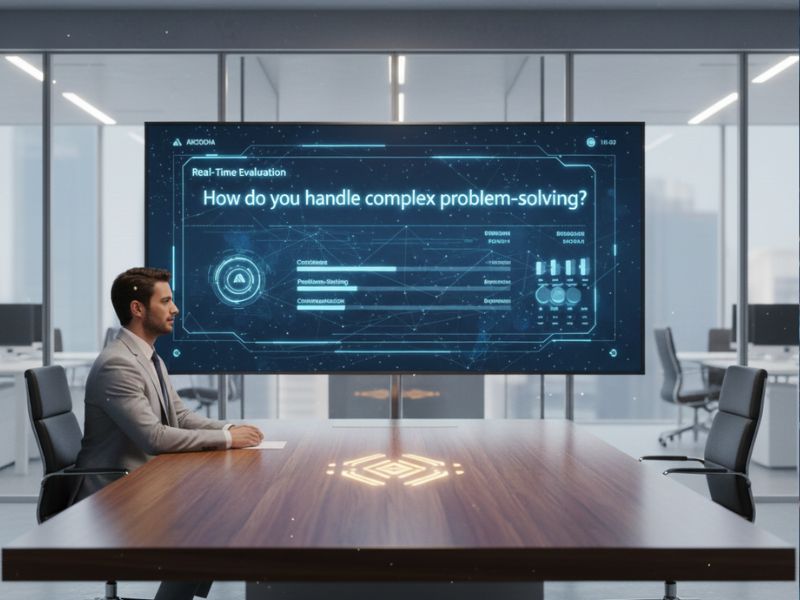
1) The Overtalker AI sales assistant showed deals closed when customers spoke more. He paused, asked better questions, and his close rate soared.
2) The Confused Demo CEO saw puzzled faces in call clips, redesigned her pitch, and conversions jumped—thanks to AI sales performance tool insights.
3) The Dad Joke Drop AI sales assistant revealed cheesy “circle back” jokes hurt conversions. Removing them boosted win rates instantly.
4) The Vision Monologue Insights showed prospects engaged only after simple questions. Manager cut long intros, and meetings finally lasted.
5) The Shy SDR Using AI sales performance tool call library daily, she trained herself, topped the leaderboard, and stunned her team.
6) The Lost Deals AI sales assistant flagged missed follow‑ups. With auto summaries and next steps, leads revived and CRM came alive.
Common Mistakes (And Easy Fixes)
1) Ignoring Human Judgment Relying only on the AI sales assistant won’t close deals. Use insights as guidance, but add empathy and common sense.
2) Recording Everything The AI sales performance tool works best on customer calls, not endless transcripts of “Can you see my screen?”.
3) Skipping Reviews Letting calls pile up without checking the dashboard is wasted potential. Review weekly and improve one thing at a time.
4) Blaming Instead of Coaching Insights should highlight wins plus one improvement. Managers using the AI sales assistant to blame reps kill morale.
5) Chasing Vanity Metrics Talk-time charts don’t equal revenue. Connect AI sales performance tool insights to real outcomes like win rates and deal size.
Simple clarifying examples
i. Good use: A rep reviews three calls, notices they rush pricing, and adjusts next week. Bad use: They let recordings pile up and then complain the tool “does nothing”.
ii. Good use: A manager plays a short clip showing great objection handling to the whole team. Bad use: Playing only embarrassing clips of one rep in a team meeting.
iii. Good use: The team records all customer demos and key follow up calls. Bad use: Recording Friday evening gossip meetings and hoping for “conversion insights”.
iv. Good use: Adding a short line at the start of calls, “This call may be recorded to improve our service,” and honoring any objections. Bad use: Pretending the AI is “just taking notes for fun”.
Friendly Tips for Beginners
i. Start with one clear goal, such as improving discovery questions or reducing lost deals after good demos.
ii. Review a few calls every week instead of trying to analyze everything at once.